


Consequently, financial accounting information relates to the company as a whole, while https://kirootoconsulting.com/how-to-manage-a-budget-for-a-department-2/ managerial accounting focuses on the parts or segments of the company. Opening a separate business bank account is essential for managing your business’s financial transactions. This practice simplifies tax preparation, protects personal assets, and can help you secure funding from creditors or investors. While some business structures, like sole proprietorships and some LLCs, may not legally require a separate bank account, it is highly recommended. Start with a business checking account and consider adding a business savings account to organize funds for various purposes, including tax planning. Auditors examine financial records and processes to ensure compliance with laws and regulations.
Want better bookkeeping?
However, understanding the basics of small business accounting can help you find growth or money-saving opportunities for your business. Investing in different areas of your business can be an important next step. Investing in accounting software can make it what is business accounting easier to automate financial tasks, improve accuracy, compile data, produce reports, and comply with laws and regulations. When deciding on software, consider which features you need and how much you’re willing to spend. Compare the different options and find the best fit for your business. It offers great time/project tracking, customizable invoices, and easy online payments, but falls short in inventory management and advanced accounting.

Reconciling Bank Statements
- The software connects seamlessly to various databases and integrates with existing business systems.
- Many small-business owners who are just getting started might opt to use a simple spreadsheet or journal.
- Outside accountant costs typically increase with the size of the business.
- However, you must understand accounting and how to monitor and sustain your business’s cash flow.
- In this blog post, we will explore the world of business accounting, its basics, career opportunities, and the benefits of pursuing a career in this field.
- This type of statement provides a snapshot of a small business’s financial health at a specific point in time.
Marshall Hargrave is a financial writer with nearly two decades of experience in finance, investing, and tax industries. He’s helped create and edit content for the likes of Investopedia, Robinhood, Fortune, and Yahoo! Finance. Marshall is a former Securities & Exchange Commission-registered investment adviser with a bachelor’s degree in finance from Appalachian State University. You’ll need to handle payroll withholdings and then report and deposit the payroll taxes, like Social Security, to the appropriate agencies on the required dates.
Individual Tax Forms

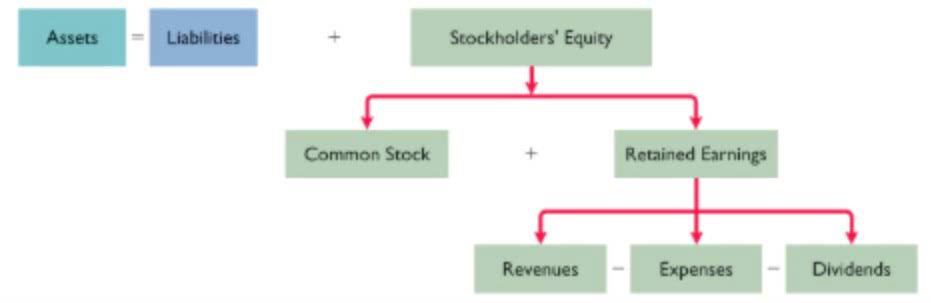
A strong balance sheet indicates financial stability, while a high level of liabilities compared to assets may signal potential financial risk. Reviewing your balance sheet retained earnings balance sheet regularly can help you assess whether your business is growing sustainably. There are no hard and fast legal requirements to become an accountant. Anyone with the right skills, training, or education can take on the job. That said, most employers prefer candidates with a degree in business, accounting, or economics.

- Organizations rely on accurate financial statements to attract investors, secure loans, and make informed decisions.
- Cost accounting is often a prerequisite of managerial accounting because managers use cost accounting reports to make better business decisions.
- A chartered accountant may be best able to manage taxes and government compliance with certain rules and regulations.
- Proper documentation of financial transactions is important for preparing financial statements like balance sheets, preparing tax returns, and monitoring a company’s financial health.
- While there are no laws enforcing these standards, most lenders and business partners in the United States will require that you adhere to GAAP.
- With this support, you can understand your business’s financial health at a glance and focus your energy on other tasks.
By providing accurate financial information and insights, they help businesses make informed decisions, allocate resources effectively, and achieve financial goals. Financial analysts analyze financial data to provide insights and recommendations to businesses. They assess financial performance, identify trends, and help businesses make informed decisions. Financial analysts often work closely with business accountants to interpret financial data. Auditors verify the accuracy and completeness of a business’ financial statements. They ensure that your financial records align with accounting regulations and standards.
Comments are closed